
What limits the energy competitiveness of industrial SMEs?
What limits the energy competitiveness of industrial SMEs?
Energy competitiveness has become a strategic factor for industrial companies. In a context marked by the volatility of energy prices, decarbonization demands and increased global competition, optimizing energy consumption is no longer just an environmental issue: it is a key condition for maintaining profitability, productivity and innovation capacity.
However, many small and medium-sized industrial enterprises (SMEs) still have difficulties in improving their energy efficiency. Several structural, economic and technological factors limit their ability to implement improvements that could reduce costs and increase the sustainability of their processes.
In this context, different international reports highlight that energy efficiency is a key factor in improving industrial competitiveness, especially in environments with high energy costs.
At IES SOLER we see this reality up close. We work on the design, manufacture and implementation of customized industrial electric heating solutions, and we know that many companies do not just need new equipment, but a technical response that connects energy efficiency, operational reliability and real adaptation to the industrial process.
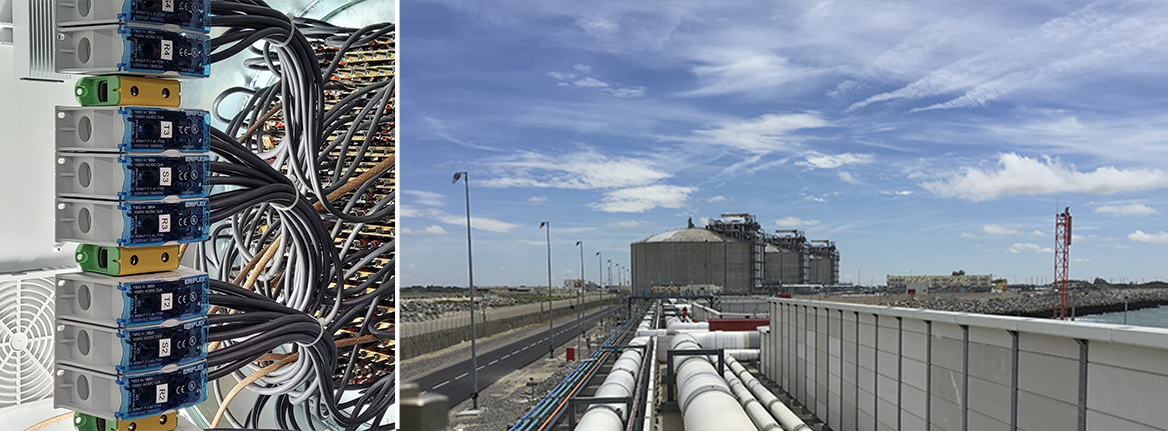
The impact of energy costs on industrial competitiveness
One of the main challenges for industrial SMEs is the cost of energy, which can represent a significant part of operating costs. In energy-intensive sectors such as metallurgy, chemistry or the food industry, any variation in the price of electricity or gas can directly affect the competitiveness of companies.
The volatility of energy markets and cost differences between European countries also generate competitive inequalities. Companies with higher energy consumption are often at a disadvantage compared to competitors operating in environments with lower prices or more favourable energy policies.
For many SMEs, this situation makes long-term planning difficult and limits the ability to invest in energy efficiency projects.
Old and inefficient industrial infrastructures
Another important obstacle is the existence of obsolete industrial facilities and equipment. Many companies work with infrastructures that were designed decades ago, when energy efficiency criteria were not as relevant as they are today.
Old boilers, inefficient heat generation systems or thermal processes based on fossil fuels can cause high energy consumption and make it difficult to optimize processes.
Technological modernization allows these losses to be reduced, but often involves significant investments that many SMEs cannot immediately assume.
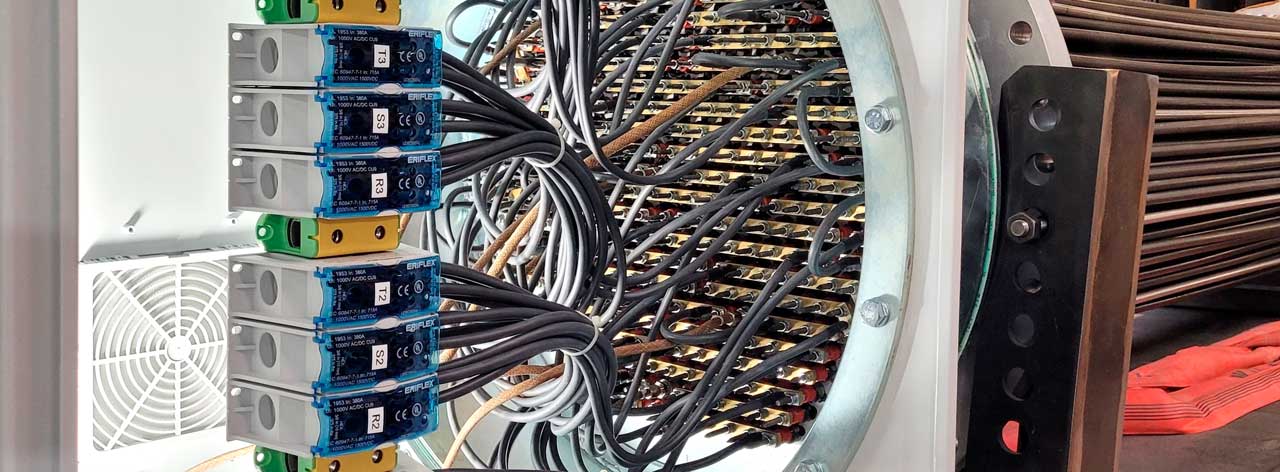
At IES SOLER we manufacture and implement Industrial Electric Heat Solutions that allow systems to be adapted to the real needs of each process, with a focus on efficiency, safety and durability.
Limited access to financing and public aid
Although there are aid and subsidy programs to promote industrial energy efficiency, many SMEs have difficulty accessing them.
Aid programs, such as those aimed at improving energy efficiency in the industrial sector, offer financial support for energy optimization projects or equipment replacement. However, administrative processes, technical requirements and the need to advance part of the investment can become a barrier for many companies.
In addition, SMEs tend to have less financial capacity than large companies, which makes it difficult to tackle energy transformation projects with medium-term returns on investment.
Lack of technical training and energy knowledge
The lack of specialized technical knowledge also limits the ability of many SMEs to identify energy efficiency opportunities.
In many industrial companies, energy management is not a strategic priority, nor are there technical profiles dedicated to analyzing consumption or optimizing processes. This can cause potential improvements to go unnoticed or the information necessary to make investment decisions to be unavailable.
In this sense, energy audits, technical training and specialized advice can help detect critical points and define improvement strategies adapted to each production process.
Disconnection between industrial needs and available solutions
Another important challenge is the gap between the real needs of SMEs and the energy solutions available on the market.
There are many efficient technologies, but companies often do not know which ones are most suitable for their processes or how to integrate them into their facilities.
This lack of knowledge can cause potentially viable projects to not be implemented or to be perceived as too complex or risky.
That is why the role of engineers and specialized companies that can translate industrial needs into specific and adapted technical solutions is essential. At IES SOLER we defend precisely this approach: understanding the process, defining the need and developing a customized engineering technical solution for each client.
How to improve the energy competitiveness of SMEs
Overcoming these obstacles requires a combination of technological, financial and organizational strategies.
Among the most effective actions are:
- Modernize energy equipment and processes
Replacing obsolete equipment with more efficient technologies can significantly reduce energy consumption and operating costs. - Commit to the electrification of processes
The progressive industrial electrification and the use of renewable energies allow to reduce dependence on fossil fuels and improve energy efficiency. - Take advantage of aid and subsidy programs
Public initiatives aimed at energy efficiency can facilitate investment in modernization projects. - Promote training and energy management
Technical training and the incorporation of energy monitoring tools which allow to make data-based decisions and optimize processes. - Collaborate with technology partners
Working with companies specialized in industrial energy solutions makes it easier to identify improvement opportunities and implement projects with technical guarantees.
A key challenge for the future of industry
Energy competitiveness will be increasingly decisive for the future of industrial SMEs. Companies that are able to optimize their energy processes will not only reduce costs, but will also be better prepared to face environmental demands and market transformations.
Committing to energy efficiency, technological modernization and collaboration with experts in the sector is, today more than ever, a strategic investment to guarantee the sustainability and competitiveness of the industry.
At IES SOLER we understand that this transformation does not only involve incorporating technology, but also applying it with technical criteria, knowledge of the process and a long-term vision. That is why we work to develop industrial electric heat solutions that help companies become more efficient, more competitive and better prepared for the energy challenges of the future.

