
Natural gas and LNG in demanding industrial projects
Natural gas and LNG in demanding industrial projects
Natural gas and LNG (liquefied natural gas) continue to play a relevant role in energy and industrial projects. In a context marked by the need to ensure security of supply, operational flexibility, efficiency and emissions reduction, many gas-related infrastructures are evolving towards more demanding, more connected models that are better adapted to the real needs of each market.
According to the International Energy Agency, global natural gas demand reached a new all-time high in 2024, with a growth of 2.7%. This increase was mainly driven by emerging markets and developing economies, while industry and power generation accounted for around 75% of the additional demand growth.
This scenario helps explain why natural gas and LNG continue to be part of many energy and industrial projects. It is not only a matter of energy availability, but also of safety and operational continuity. In this context, gas-fired power generation continues to appear in the energy debate as a tool to support system resilience, especially in areas such as grid stabilisation, industrial growth and the integration of renewables.
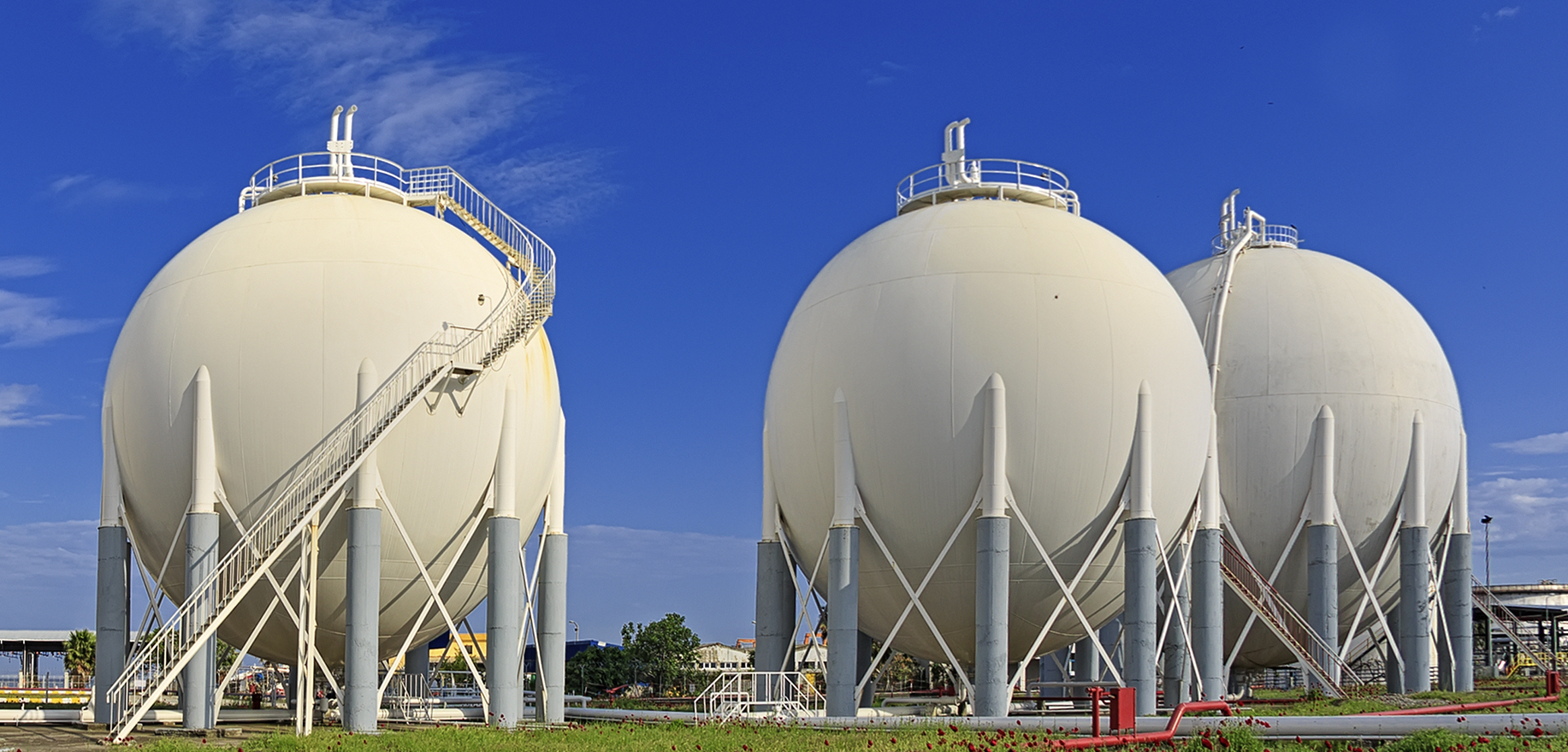
LNG and more flexible infrastructures
LNG makes it possible to transport natural gas in liquid form, reducing its volume and facilitating its movement on an international scale. This logistical capacity is especially important in an energy market where traditional supply routes are changing and countries are seeking greater flexibility in their energy sources.
One of the trends that reflects this evolution is the growth of FLNG, or floating liquefied natural gas. Rystad Energy expects global FLNG capacity to reach 42 million tonnes per year by 2030 and 55 million by 2035, compared to 14.1 million recorded in 2024. This growth reflects the interest in infrastructures that are more flexible, mobile and adaptable to different operating environments.
However, this flexibility also involves greater technical requirements. Plants, terminals, floating units, transfer systems, auxiliary processes and associated equipment must respond to very specific conditions of temperature, pressure, safety, integration and operational continuity.
Why do gas-related projects require tailor-made technical solutions?
Industrial projects related to natural gas and LNG do not only require reliable energy infrastructures, but also equipment capable of operating under very specific technical conditions. Plants, terminals, auxiliary systems, thermal circuits or processes involving fluids and gases may be subject to demanding requirements in terms of temperature, pressure, materials, control and safety.
In these environments, correctly defining a thermal solution is essential to ensure that the system operates reliably and safely. It is not only about providing heat, but also about adapting the equipment to the type of fluid or gas, the working temperature, the process pressure, the flow rate, the materials in contact with the medium, the available space, the installation and the project deadlines.
In addition, some projects may be subject to specific regulatory requirements. When pressure equipment is involved, the applicable framework of the Pressure Equipment Directive must be considered, as it regulates the design, manufacture and conformity assessment of stationary pressure equipment with a maximum allowable pressure greater than 0.5 bar.
There are also applications where potentially explosive atmospheres may be present, especially in environments involving gases, vapours or fuels. In these cases, the ATEX framework establishes essential health, safety and conformity assessment requirements for equipment intended to operate in these environments.
That is why, in gas-related projects, reliability does not depend only on the quality of the equipment, but also on its technical adaptation to the process, the working environment and the safety requirements of each application.
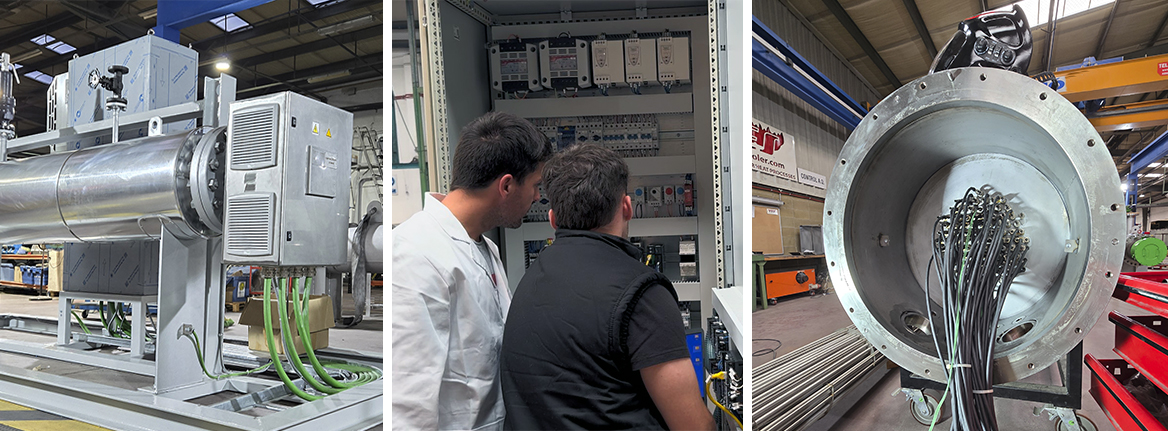
Relliability, control and adaption in gas-related projects
In demanding industrial projects, the thermal solution cannot be defined solely on the basis of the required power. It is also necessary to understand how the equipment will operate within the process: whether it will have to maintain temperature, heat a circulating fluid, support an auxiliary circuit, adapt to an existing installation or integrate control and safety systems.
This is where technical adaptation capacity becomes key. Well-sized and well-integrated equipment can help improve thermal control, reduce operational risks and facilitate process continuity. By contrast, a generic solution or one that is not properly adapted to real working conditions can lead to performance, maintenance or reliability issues.
In projects involving natural gas, LNG, fluids and demanding industrial processes, having tailor-made solutions is essential to ensure reliability, safety and operational continuity. That is why the industrial electric heating division of IES SOLER develops tailor-made solutions for different processes and applications, adapting each design to the technical conditions of the project.
In an increasingly demanding energy sector, this ability to adapt is key to approaching industrial projects with confidence.

