Electrification of industrial heat: more than just replacing an energy source
Electrification of industrial heat: more than just replacing an energy source
Electrification of industrial heat is part of the European energy strategies to achieve more efficient and sustainable systems and has become a key driver for decarbonizing the industrial sector.
However, reducing this process to a simple fuel switch, from gas to electricity, is an oversimplification that can compromise both the efficiency and viability of projects.
Electrifying a thermal process involves much more than simply replacing an energy source. It requires rethinking the entire system: from process design to technical integration, operational control, and the plant’s energy strategy.
A structural change, not just an energy shift
In many industrial environments, heat is a central element of the production process. Therefore, its electrification cannot be approached as an isolated solution, but rather as a structural transformation.
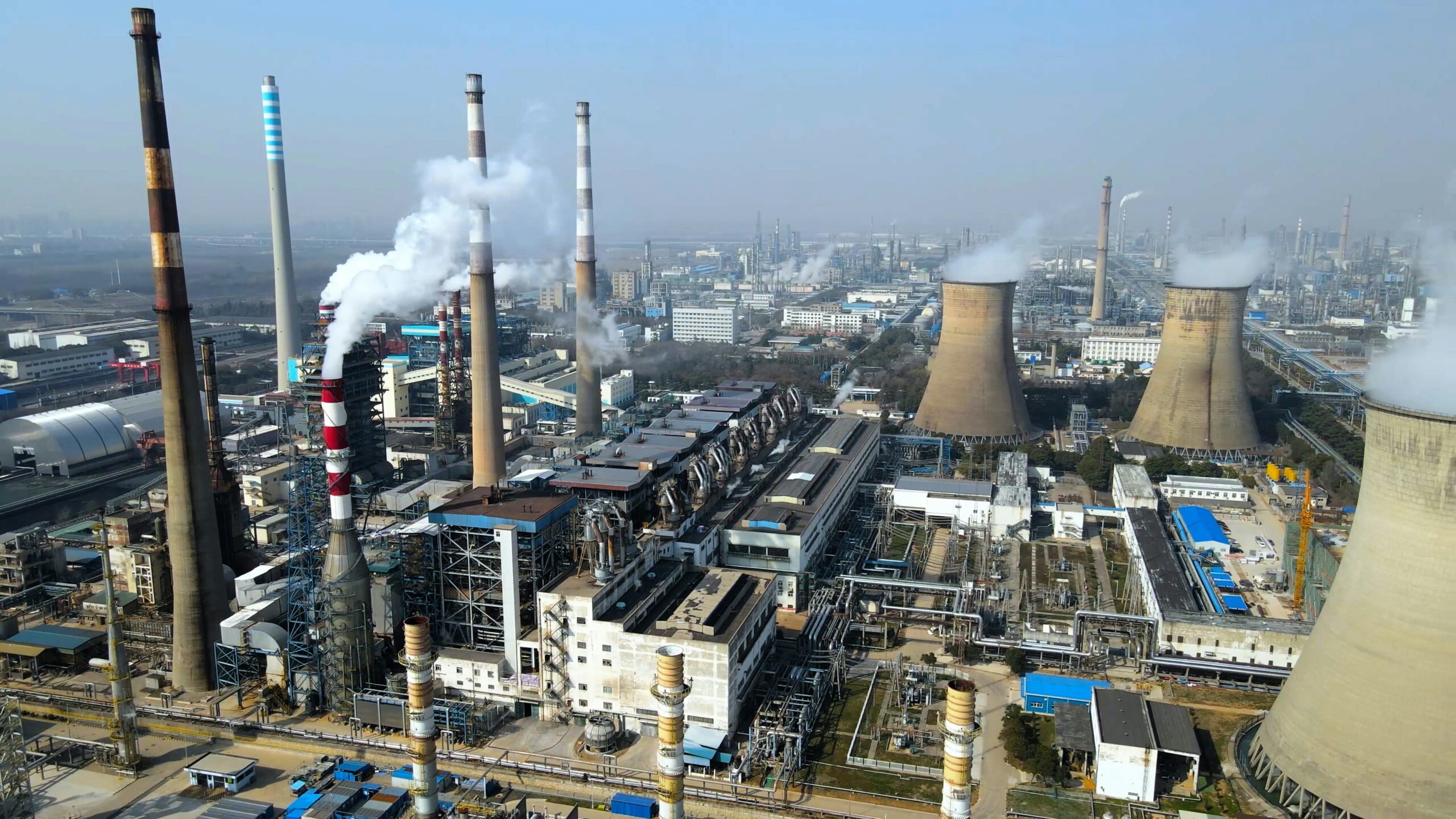
As various analyses of the energy sector point out, the electrification of industrial heat opens up new opportunities, but also demands changes in operating models, energy management, and technical decision-making.
This means that each project must be analyzed from a holistic perspective:
- How does the change affect process performance?
- What impact does it have on operating times?
- How is electricity demand managed?
- What are the implications for safety and process control?
Answering these questions is key to ensuring that the electrification of industrial heat is successful.
What does electrifying an industrial process entail?
The electrification of industrial heat involves adapting or redesigning key elements of the production system:
- Redesign of the thermal system
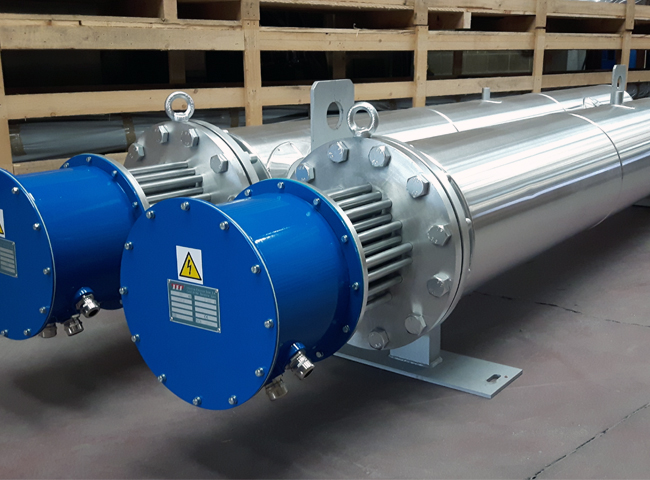
Electric heat generation systems -such as resistance heaters or electric heating solutions- operate differently than traditional combustion-based systems. This requires a reevaluation of factors such as heat transfer, thermal inertia, and heat distribution. - Integration with the existing installation
Not all processes are ready for direct electrification. It is necessary to analyze how the new equipment integrates with the existing infrastructure and whether it is necessary to adapt lines, insulation, or auxiliary systems. - Management of electrical demand
The transition to electricity implies a new relationship with energy consumption. Installed power, peak demand, and supply availability are critical factors that must be properly planned. - Control and automation
Electrification allows for greater control over the process, but it also requires more advanced monitoring and regulation systems to fully realize its potential.
In this context, electrification is not just a technological decision, but a strategic one.
Main barriers to industrial electrification
Despite its advantages, many companies encounter difficulties when electrifying their thermal processes.
- Initial investment cost: Although electrical systems can be more efficient in the long term, the initial investment can be a deterrent, especially for SMEs.
- Technical limitations of the installation: Not all plants are equipped to handle a greater electrical load. In some cases, it is necessary to reinforce the infrastructure or adapt the electrical system.
- Uncertainty in the return on investment: The volatility of energy prices and the lack of accurate data can hinder decision-making.
- Lack of technical knowledge: Many companies lack the necessary internal resources to properly assess the feasibility of an electrification project.
These barriers explain why, despite the potential of electrification, its adoption is not uniform across all sectors.
Key decisions for a viable project
For an electrification project to be successful, it is essential to make well-informed decisions from the outset.
Some of the most important are:
- Selecting the appropriate technology based on the type of process and thermal requirements
- Correctly sizing the installation to avoid inefficiencies or cost overruns
- Evaluating the medium- and long-term energy and economic impact
- Ensuring integration with the production process without affecting quality or operational continuity
At this point, the difference between a viable project and a failed one often lies in the level of preliminary analysis and the quality of the technical design.
The key role of the technical partner
More and more companies understand that the electrification of industrial heat cannot be approached solely through the purchase of equipment.
They need a technical partner to guide them through the entire process:
- initial analysis
- solution design
- plant integration
- commissioning
- performance optimization
Because the real challenge is not installing technology, but making it work efficiently within a real-world process.
Beyond the product
At IES SOLER, we understand industrial electrification as a comprehensive process. It’s not just about manufacturing equipment, but about providing engineering expertise, knowledge, and customized solutions.
We support our clients through every stage of the project:
- thermal process analysis
- defining the most suitable solution
- design and manufacturing of industrial electric heating equipment
- technical integration
- commissioning support
This approach allows us to reduce risks, optimize investment, and ensure that electrification delivers real value to the production process.
Because every installation is unique, and each solution should be too.
A strategic opportunity for the industry
The electrification of industrial heat is not just a trend, but a necessary transformation to move towards a more efficient and sustainable industry.
Companies that approach this change from a strategic perspective, and with the right support, will be better positioned to:
- reduce energy costs
- improve their operational efficiency
- adapt to new regulations
- move towards their decarbonization goals
In this process, having a specialized technical partner like IES Soler makes all the difference between simply replacing an energy source and truly transforming the entire process. And that’s where engineering, experience, and adaptability become key factors for success.
For this reason, IES Soler will be present at the Expoquimia 2026 in Barcelona to showcase how we approach the electrification of industrial heat through tailored electric heating solutions, with a focus on engineering, efficiency, safety, and sustainability. It will be a great opportunity to connect with industry professionals, exchange knowledge and explore together the challenges and opportunities presented by the energy transformation of the industry.